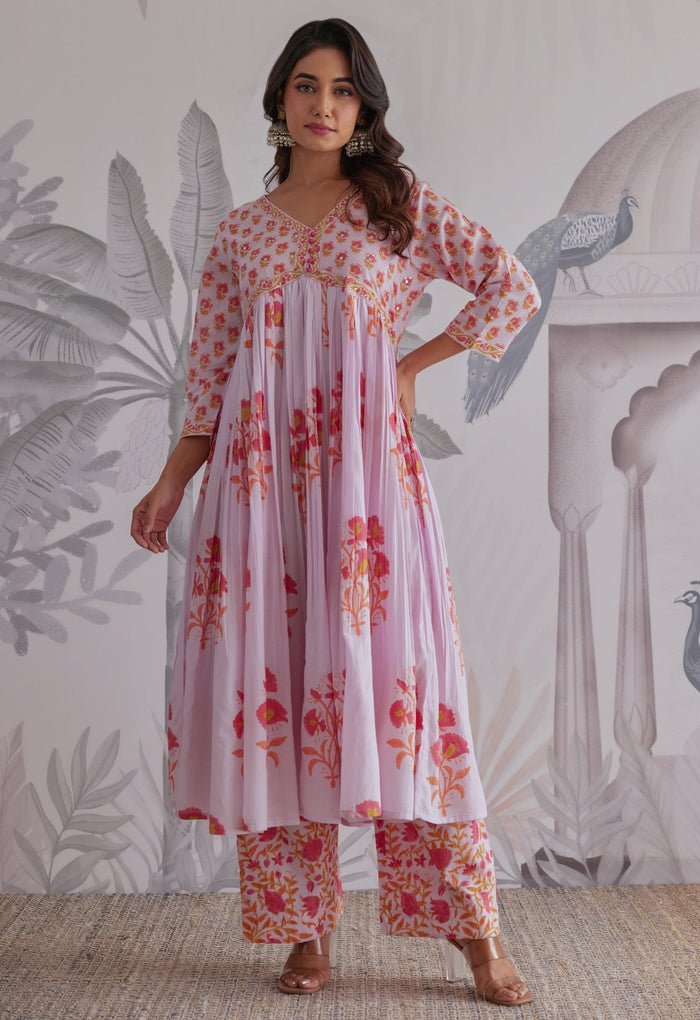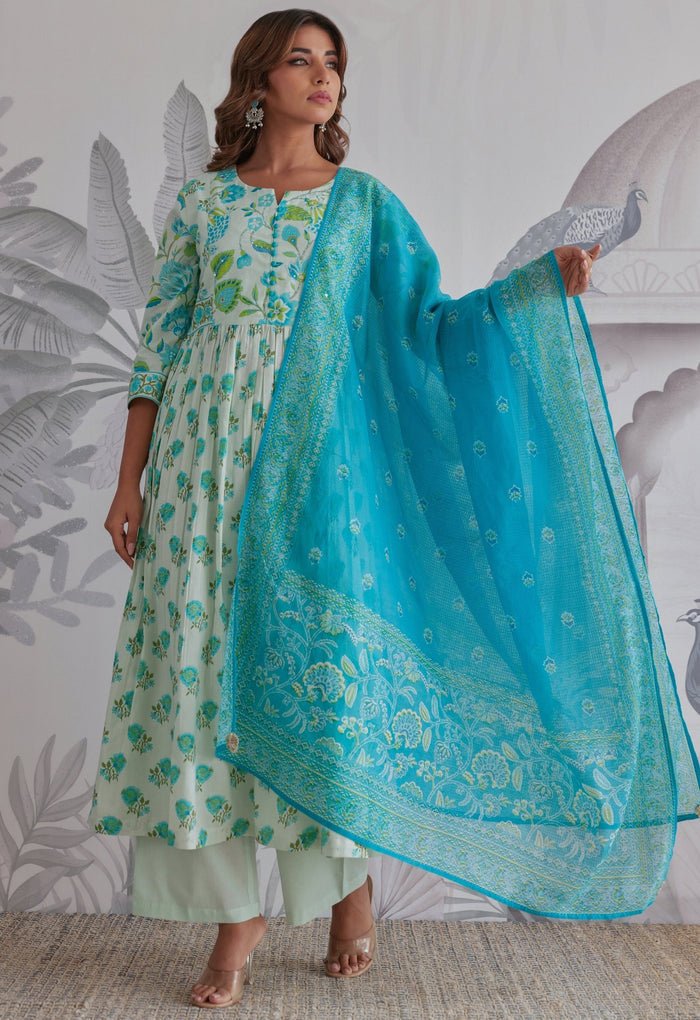

Indian clothing has never existed only for decoration. It carries memory, belief, and social meaning that goes far beyond fashion. Across centuries, garments have evolved alongside customs, faith, and regional identity. The Indian traditional dress reflects how communities express respect, joy, and belonging through fabric and form. At Tara C Tara, this understanding shapes every design, keeping cultural roots intact while allowing space for comfort and modern sensibility. Whether worn during vibrant celebrations or quiet rituals, traditional attire continues to connect people with their heritage in a deeply personal way.
Festivals as Living Expressions of Tradition
Festivals across India are deeply visual experiences, where colour, texture, and movement come together in celebration. Clothing becomes part of the festive language, reflecting regional customs and shared joy. During occasions like Diwali, Teej, or Navratri, traditional outfits are chosen for their comfort as well as cultural relevance. Flowing silhouettes, breathable fabrics, and handcrafted prints support long hours of rituals and gatherings. For many families, Indian traditional dress for women remains central to festival dressing, not as a trend but as a continuation of custom. These garments allow celebration to feel rooted rather than performative, reinforcing emotional ties to tradition while embracing seasonal change.
Weddings and the Emotional Weight of Attire
Weddings in India are layered with rituals, each demanding thoughtful attire. Clothing worn during wedding ceremonies represents continuity, family values, and cultural pride. From engagement rituals to the final farewell, garments change to reflect symbolism rather than convenience. The presence of Indian traditional dress during weddings anchors the ceremony in shared heritage. Colours, fabrics, and motifs often reflect regional lineage and ancestral customs. Instead of following fleeting styles, families prioritise meaning and longevity. Tara C Tara approaches wedding-inspired designs with restraint, focusing on elegance that respects tradition without excess, allowing the clothing to support the emotion of the moment.
Rituals and Sacred Practices
Religious rituals require simplicity, purity, and mindfulness. Clothing worn during prayers, pujas, and sacred ceremonies is chosen to reflect humility rather than ornamentation. Light tones, natural fabrics, and modest silhouettes align with spiritual intention. In such settings, Indian ethnic wear becomes a natural choice, offering garments that respect cultural norms while remaining comfortable. These outfits allow participation without distraction, keeping focus on devotion and tradition. Over generations, this quiet consistency has shaped how traditional clothing is perceived, not as occasional wear, but as an integral part of spiritual life.
Traditional Clothing in Everyday Life
Tradition in India does not exist only during grand occasions. Everyday dressing often carries subtle elements of cultural heritage. Simple silhouettes, familiar prints, and breathable fabrics bring tradition into daily routines. Kurtas for women are a common example, balancing practicality with cultural expression. These garments support movement and comfort while maintaining a connection to tradition. Tara C Tara reflects this balance by designing pieces that feel wearable without losing their ethnic identity. Daily traditional dressing keeps heritage alive in a natural, unforced way, making culture part of routine life rather than a reserved display.
Craft, Identity, and Women’s Traditional Wear
Women’s traditional clothing in India is deeply tied to craftsmanship. Techniques like hand block printing, weaving, and embroidery carry stories of regions and artisans. A Suit set for women often represents hours of skilled labour passed down through generations. These garments are not mass expressions but cultural artefacts shaped by hands and history. Wearing such pieces supports artisan communities while preserving traditional techniques. Tara C Tara places importance on ethical sourcing and authentic craftsmanship, ensuring that each design reflects respect for both the wearer and the maker.
Tradition in Contemporary Celebrations
Modern celebrations continue to embrace traditional attire, even as lifestyles evolve. Younger generations often reinterpret heritage through subtle design updates while keeping core elements intact. Women Ethnic Dresses today blend tradition with practicality, allowing cultural expression without formality. This adaptability ensures that traditional clothing remains relevant rather than ceremonial. By honouring tradition while understanding modern needs, brands like Tara C Tara help cultural attire remain part of everyday identity rather than distant memory.
Conclusion
Indian traditional clothing remains a powerful expression of identity, belief, and continuity. Across festivals, weddings, rituals, and daily life, attire reflects values that transcend generations. The enduring presence of traditional dress lies in its ability to adapt without losing meaning. Tara C Tara continues this legacy by creating designs rooted in heritage, crafted with intention, and worn with purpose.