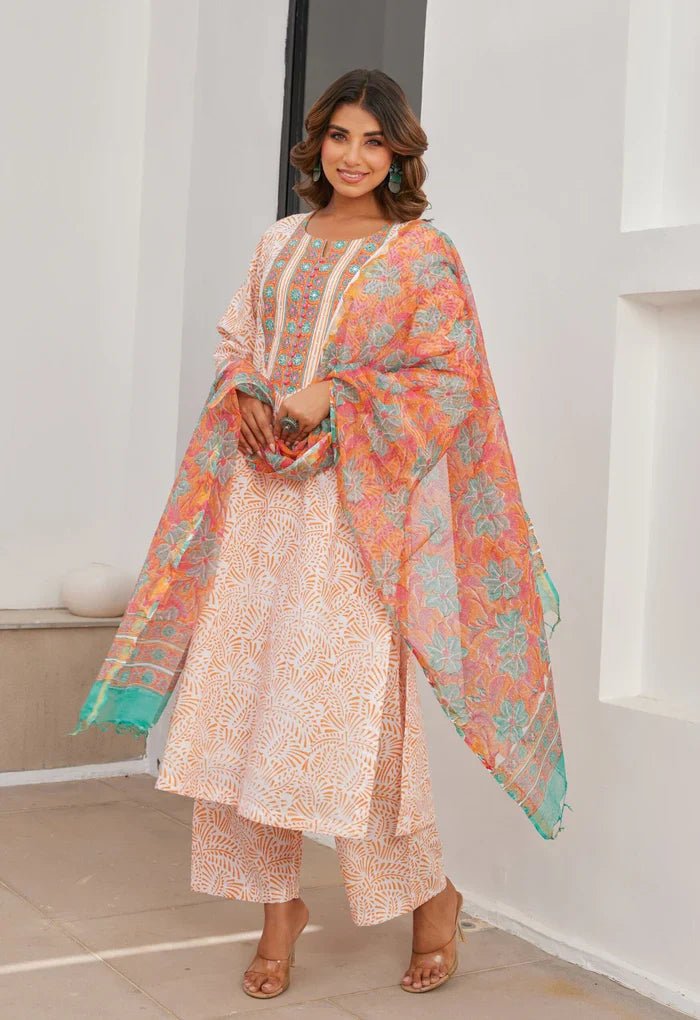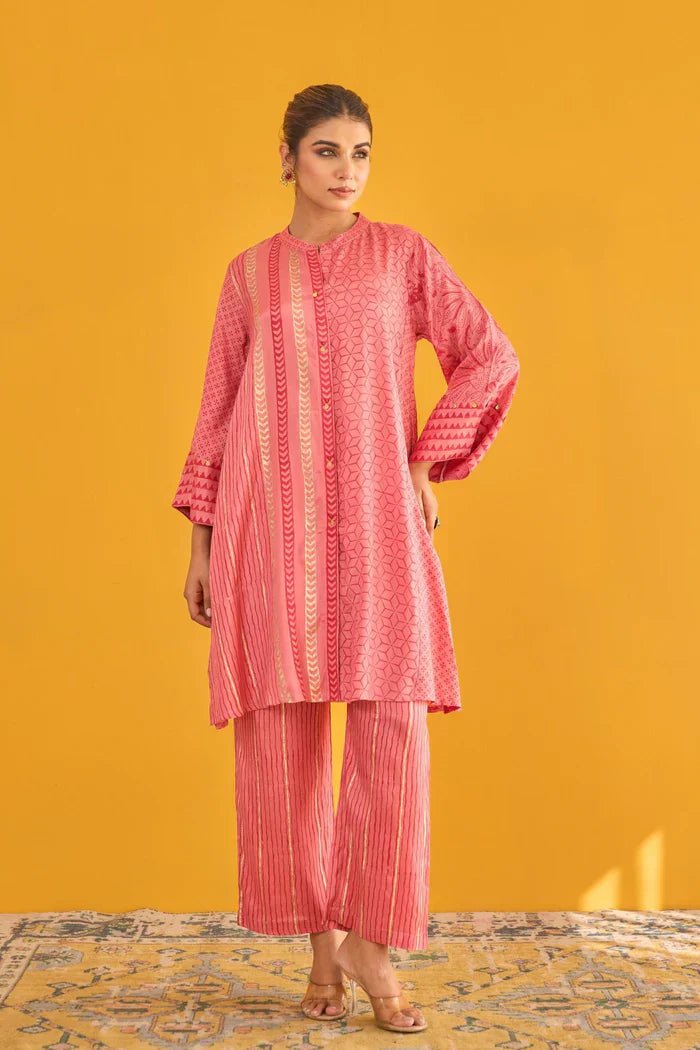

Holi is not only a festival of colours; it is a celebration of heritage, joy, and personal expression. Over the years, festive dressing has shifted from purely ritualistic attire to fashion-forward ensembles that balance comfort and statement appeal. The transformation of traditional dress for women during Holi reflects this change beautifully. Cultural silhouettes remain intact, yet tailoring, fabric innovation, and styling details have adapted to modern sensibilities.
Tara C Tara blends timeless craftsmanship with contemporary structure, allowing festive wardrobes to feel current without losing authenticity. The following guide outlines how heritage pieces can be styled thoughtfully for Holi while maintaining grace, comfort, and individuality.
The Cultural Roots of Holi Dressing
Holi attire traditionally centred around breathable fabrics, light colours, and silhouettes that allowed ease of movement. White kurtas, flowing dupattas, and relaxed fits dominated celebrations. These Indian traditional outfits were practical, symbolic, and deeply rooted in seasonal needs.
The significance of dressing in soft tones allowed colours to stand out, turning garments into canvases of celebration. Over time, embroidery and subtle detailing entered festive wardrobes, adding structure without compromising comfort. Today’s festive style builds upon this foundation rather than replacing it.
Holi dressing still honours simplicity, but modern tailoring and fabric choices have refined the overall appearance. This evolution reflects how tradition adapts naturally to contemporary lifestyles without losing its emotional connection.
Contemporary Influences on Festive Fashion
Modern aesthetics have reshaped how festive clothing is perceived. Structured cuts, cleaner lines, and minimal embroidery define today’s modern ethnic wear. Comfort remains central, yet silhouettes feel more polished and camera-ready.
Festivals now include brunches, curated gatherings, and evening celebrations, encouraging versatile styling. Coordinated sets, asymmetrical hemlines, and layered designs introduce subtle drama. These changes do not overshadow tradition; instead, they reinterpret it for a new generation.
Design innovation has made festive dressing lighter and more breathable, especially during spring celebrations. Contemporary influence also encourages sustainable fabrics and thoughtful craftsmanship, ensuring clothing feels purposeful rather than excessive.
Fabric Choices That Balance Style and Comfort
Fabric selection determines how well festive outfits perform during colour-filled celebrations. Lightweight textures ensure ease of movement while maintaining elegance. Cotton ethnic wear for Holi remains one of the most practical choices due to its breathability and softness against the skin.
Blended fabrics with subtle sheen add refinement for post-Holi gatherings without compromising comfort. Embroidered detailing enhances visual appeal while keeping the overall look balanced. Structured weaves hold shape better, allowing silhouettes to remain crisp even during active celebrations.
Tara C Tara’s thoughtfully crafted Kurtas and Suit sets focus on wearable fabrics that feel light yet sophisticated. The combination of breathable material and intricate detailing ensures festive outfits remain comfortable from morning rituals to evening dinners.
Silhouettes That Transition from Day to Evening
Holi celebrations rarely end in the afternoon. Daytime festivities often extend into relaxed evening gatherings, making adaptable silhouettes essential. Flowing Anarkali suit sets create graceful movement while maintaining a structured presence suitable for later events.
Coordinated sets with subtle embroidery transition effortlessly from casual colour play to formal dinners. Tailored fits maintain poise even after active celebrations. Dupattas can be styled differently to shift the tone from playful to refined.
Well-designed designer traditional dresses blend traditional craftsmanship with modern structure, allowing seamless styling changes without a complete outfit swap. This adaptability reflects how festive fashion now prioritises versatility alongside cultural relevance.
Colour Stories: From Classic White to Contemporary Palettes
White continues to symbolise Holi’s playful spirit, yet contemporary palettes have expanded beyond tradition. Soft pastels, muted greens, blush tones, and vibrant jewel shades now define festive wardrobes. These colours retain elegance while adding individuality.
Many curated Holi outfits for women feature embroidery in contrasting threads, subtle mirror work, or tonal detailing that catches light beautifully. Such design choices maintain a festive mood without overpowering the ensemble.
Colour psychology plays a subtle role in festive dressing. Calm shades communicate composure, while brighter hues suggest celebration. The harmony between colour and silhouette determines whether an outfit feels balanced or overwhelming.
Styling Details That Add Modern Glam
Accessories and finishing touches shape the final impact of festive attire. Minimal jewellery, structured footwear, and lightweight dupattas create stylish Holi looks for women without overshadowing the garment.
Modern styling often includes sleek hairstyles and understated makeup, allowing embroidered textures to stand out. Belts or statement earrings can subtly redefine a silhouette without altering its cultural essence.
Tara C Tara’s refined Suit sets and tailored Kurtas allow styling flexibility without appearing excessive. When craftsmanship and structure are already strong, minimal additions feel intentional rather than forced. The focus remains on balance—honouring tradition while acknowledging contemporary aesthetics.
Preserving Authenticity in Modern Festive Fashion
As festive fashion evolves, authenticity remains essential. True transformation lies not in abandoning heritage but in adapting it thoughtfully. The essence of traditional dress for women continues to thrive through updated tailoring, breathable fabrics, and mindful detailing.
Fashion rooted in craftsmanship retains long-term value beyond seasonal trends. When festive outfits are created with quality materials and cultural awareness, they transcend a single celebration. Tara C Tara’s collections embody this philosophy, combining heritage silhouettes with refined modern elements.
Holi glam, therefore, is not about excess. It is about harmony between ritual and relevance, comfort and sophistication, colour and craftsmanship.
Conclusion
Holi dressing today reflects a graceful blend of history and contemporary sensibility. Cultural silhouettes remain intact, yet fabric innovation, structured tailoring, and versatile styling bring renewed energy to festive wardrobes.
Whether through embroidered Anarkali suit sets, breathable Kurtas, or refined Suit sets, festive fashion now adapts to evolving lifestyles while preserving heritage. The modern interpretation of traditional dress for women ensures that celebration and style coexist effortlessly.
With thoughtful craftsmanship and balanced design, Holi glam becomes an expression of identity rather than a fleeting trend.